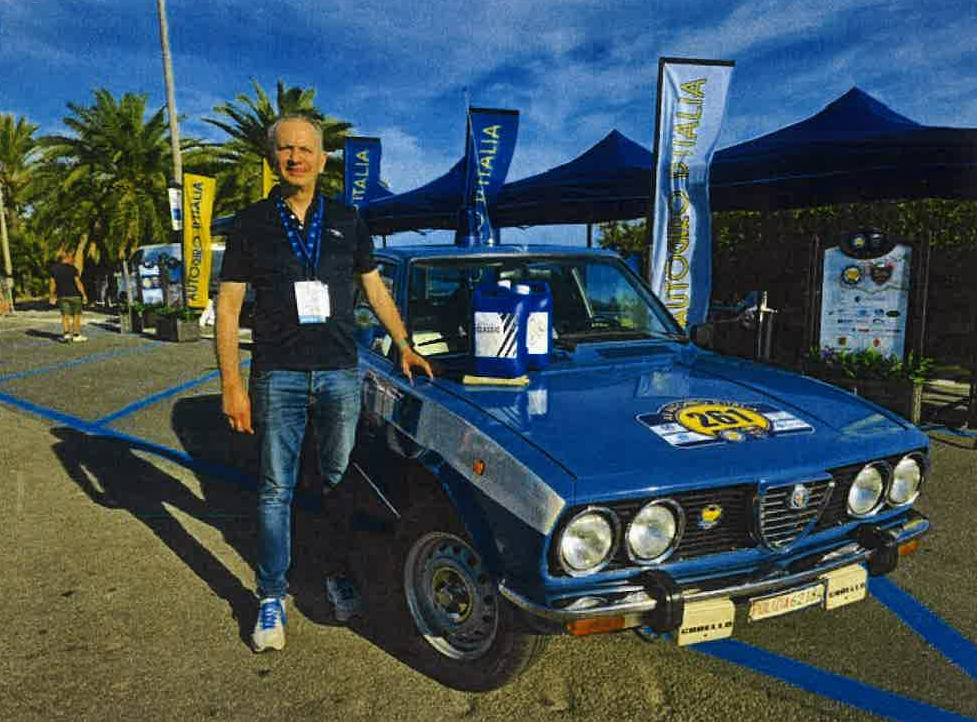
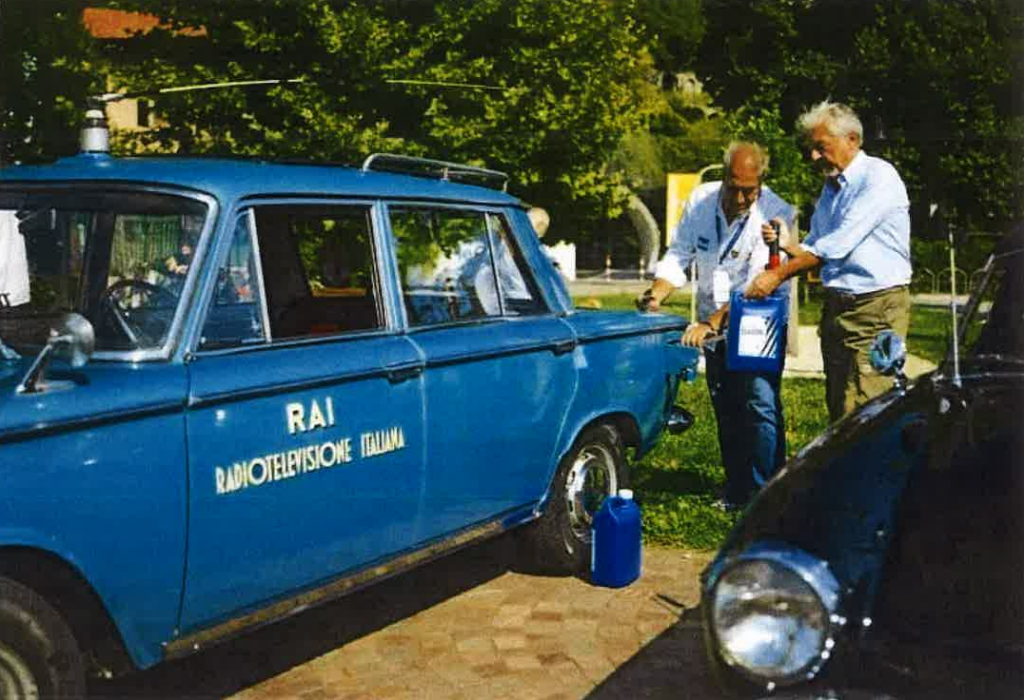
All vehicles taking part in the dynamic exhibition will be fuelled with an environmentally friendly biofuel, in accordance with the requirements of the ASI Net-Zero Classic programme
The objective of the ASI Net-Zero Classic programme differs from that of ASI Green. While ASI Green aims to design and promote a sustainable future for historic motoring through the creation of social value, Net-Zero Classic seeks to demonstrate that an event centred on historic vehicles in motion can also achieve a net-zero carbon balance.
This is particularly important because there are increasing calls to restrict the freedom to drive historic vehicles. Yet these vehicles deserve to retain their right to be used as intended, since they were designed and built to move, and to inspire movement. A net-zero carbon balance means achieving equilibrium between the emission and the absorption of climate-altering greenhouse gases, of which carbon dioxide (CO₂) is the most significant. It is worth noting that climate change is a different issue from air pollution, and that carbon dioxide is not, in itself, a pollutant — it is, after all, commonly found in carbonated drinks — but rather a greenhouse gas. It is equally important to note that the objective is not zero emissions.
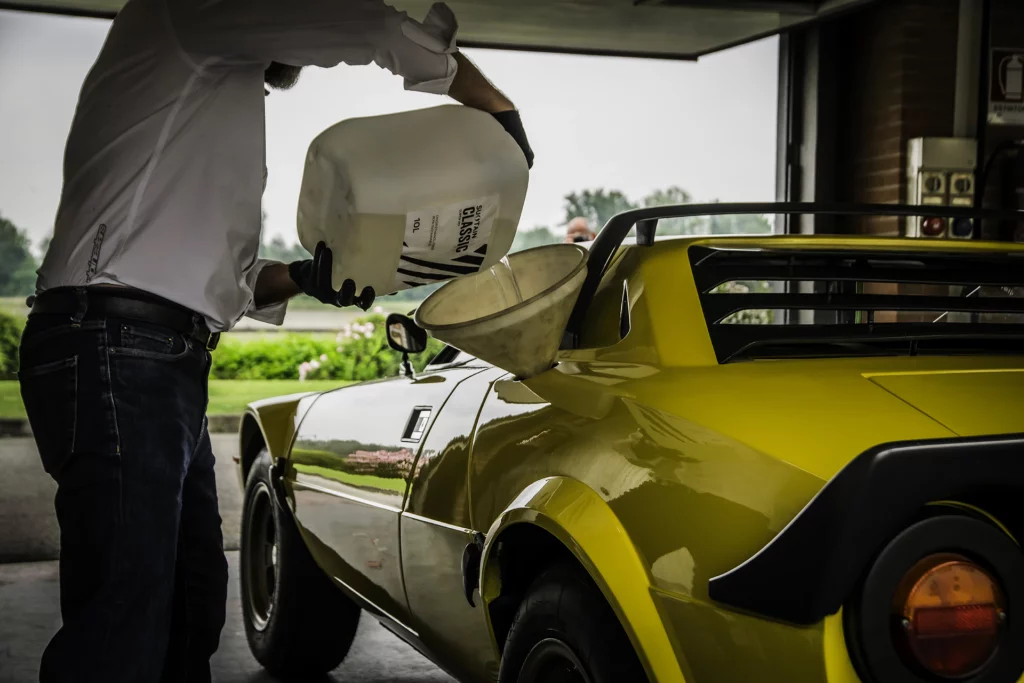
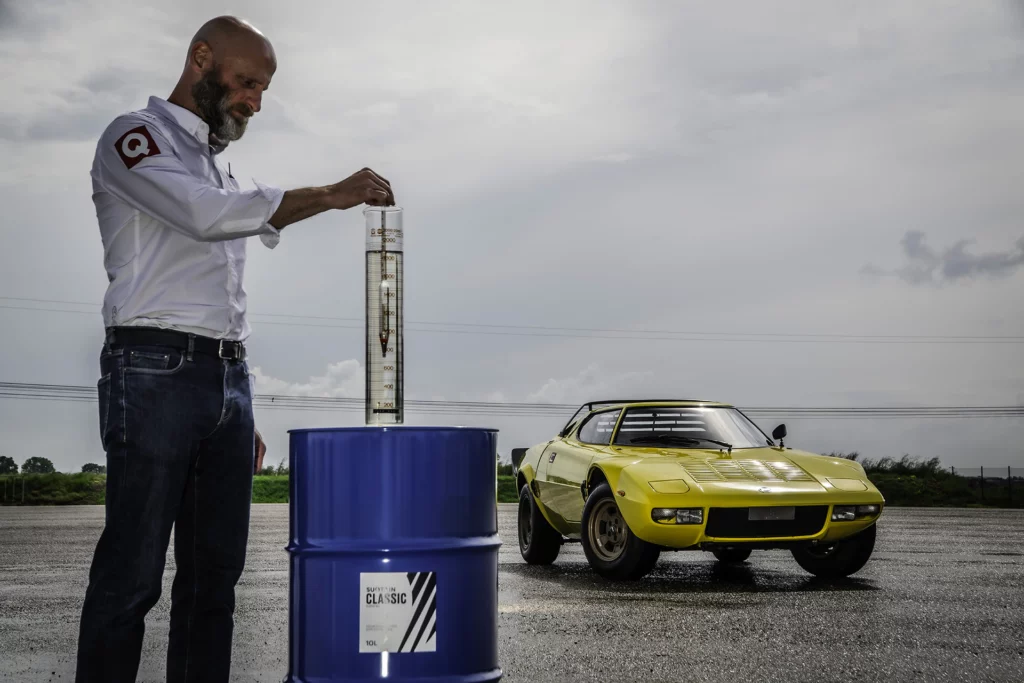
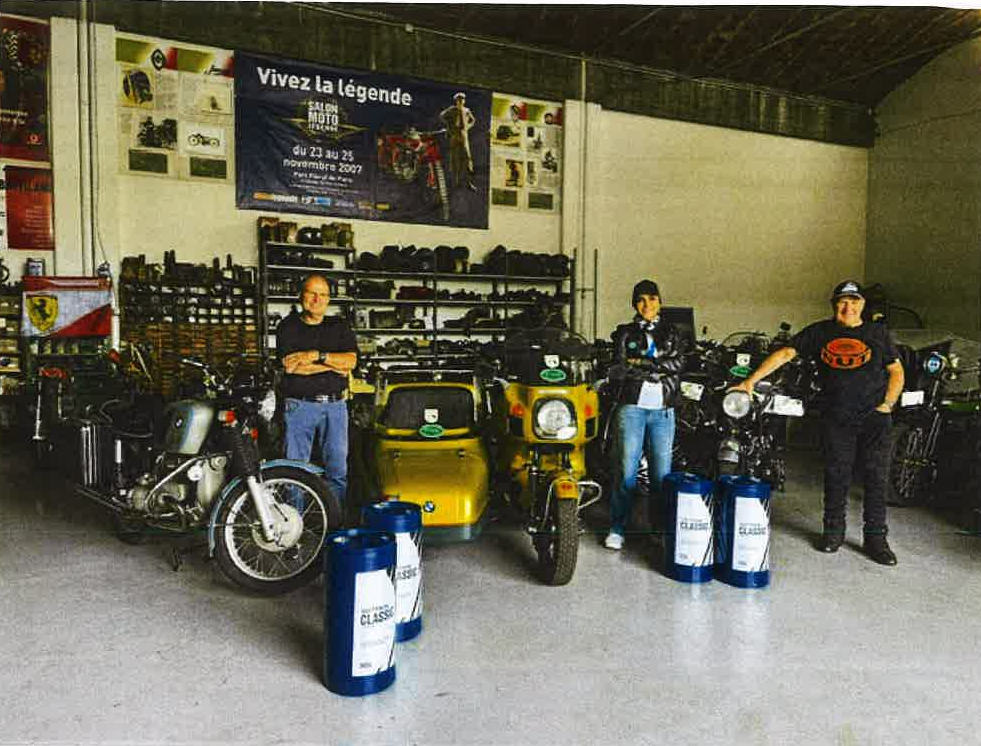
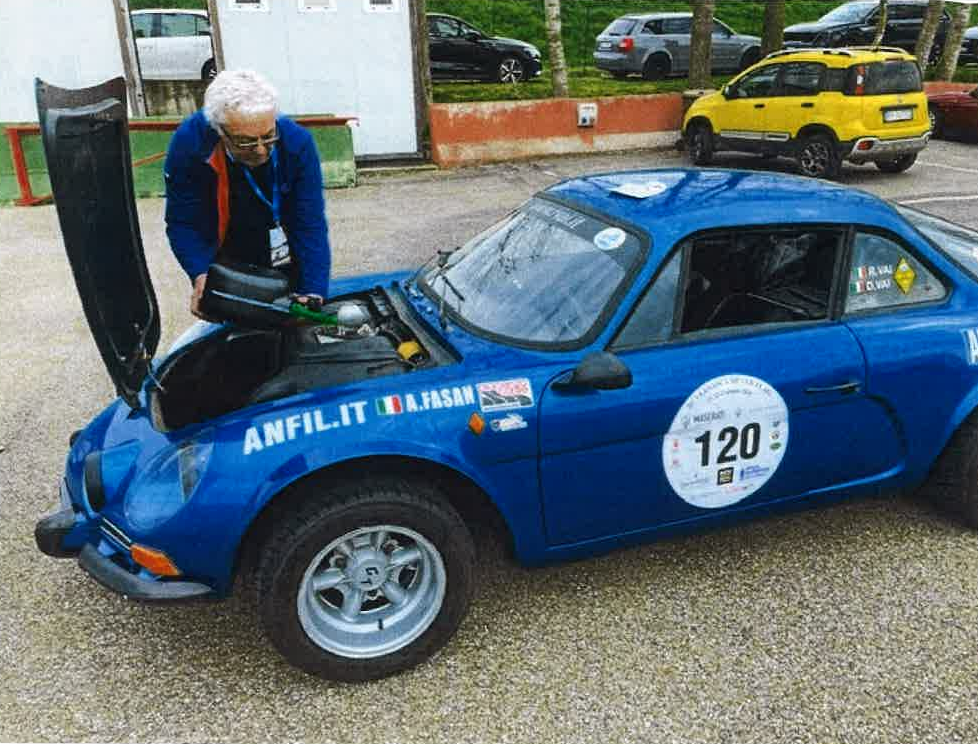
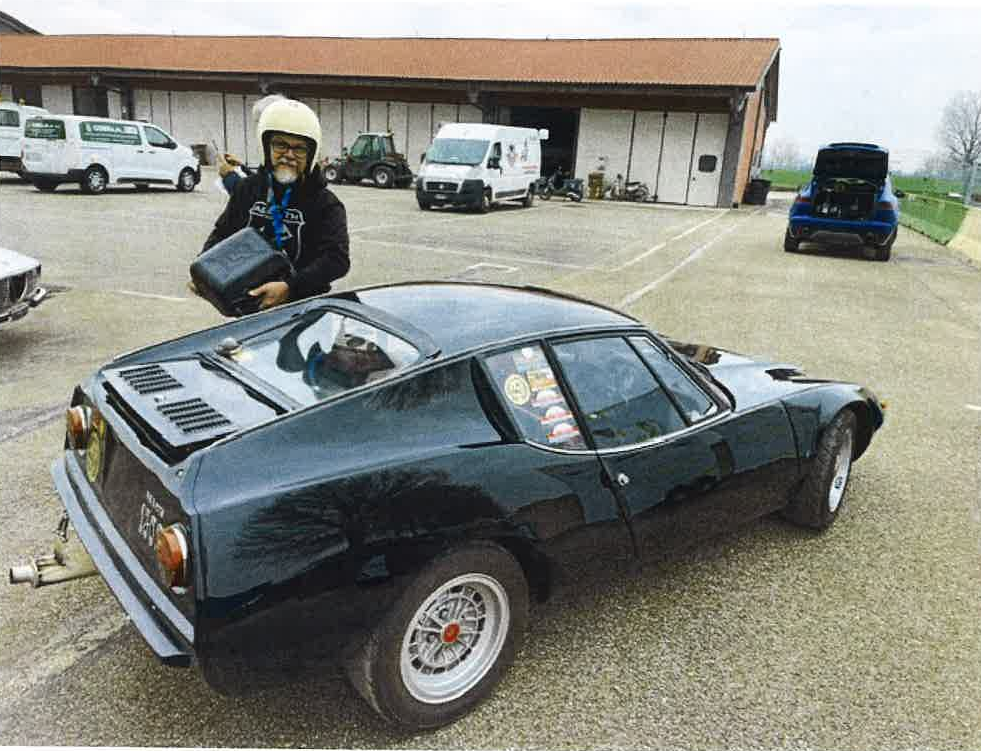
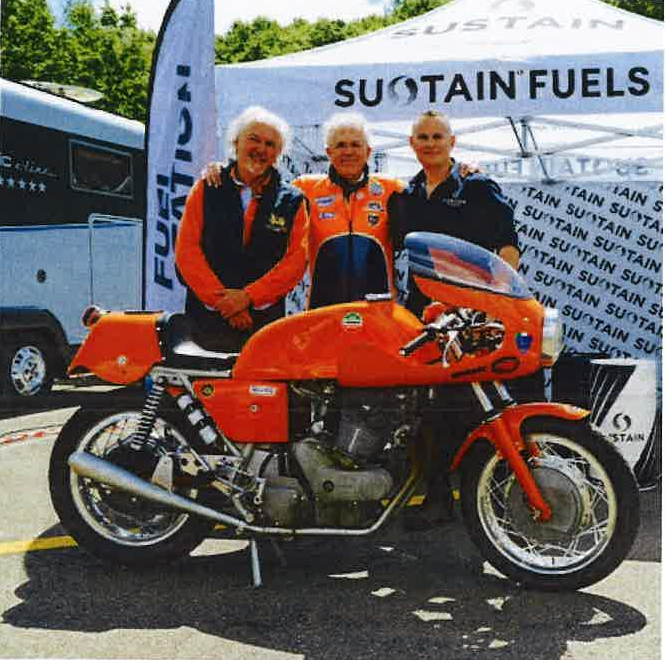
The correct way to assess environmental impact is therefore by considering the entire life cycle of a vehicle, rather than focusing solely on its use: the whole story must be considered, not just selected chapters. Net-Zero Classic is intended to demonstrate in practical terms that the historic vehicle is among the most sustainable forms of transport currently on the road. By using petrol produced from renewable sources, derived from agricultural and food-industry waste containing carbon originally captured by plants through photosynthesis, it is possible to achieve an almost complete balance between the carbon emitted and the carbon absorbed — in practice, around 80% of the carbon balance is offset. This is, in every respect, conventional petrol: analyses carried out by universities and research institutes have shown its composition to be virtually identical to that of commercially available fuel. The only difference lies in the origin of the carbon atoms: rather than being extracted from fossil deposits underground, they are regenerated from carbon already present in the atmosphere, creating a circular rather than linear carbon cycle.
The fuel has a consistent and controlled octane rating of 98, delivers identical, or slightly improved, performance thanks to its higher oxygen content, and contains no ethanol, which can be particularly harmful to older engines and fuel systems. It requires no modifications whatsoever and can be safely mixed with conventional petrol. The fuel has been tested for three years in several countries, including Italy, and the trial phase has now been successfully completed. ASI has used it in more than 300 different vehicles, ranging from models built in 1912 to modern vehicles, without encountering any technical issues.
Internationally, this renewable fuel has powered winning vehicles in the Dakar Rally, serves as the reference fuel at the Goodwood Revival, is mandatory in the UK Historic Rally Championship, and is widely used by GT racing teams, including recently at Mugello. Formula One also now uses renewable fuels based on principles very similar to those adopted by ASI.